The Evolution of Hunting Packs: From Canvas to Carbon Fiber
Hunting backpacks have come a long way. From heavy canvas sacks to ultralight carbon fiber frames, innovation has reshaped how hunters carry gear, how far they can travel, and how quietly they can move through the backcountry.
Understanding this evolution not only highlights technological progress but also explains why modern packs like the SIATREX APEX 5000 set the standard for performance today.
1. The Canvas Era
Early hunting packs were simple canvas bags with leather straps. They were durable and could carry a lot, but they were heavy, absorbed moisture, and were slow to dry.
-
Pros: Strong and simple design, high load capacity.
-
Cons: Heavy, water-retentive, limited suspension, and poor comfort over long distances.
Hunters relied more on brute strength than ergonomics — a far cry from today’s backcountry comfort.
2. The Nylon Revolution
In the late 20th century, synthetic fabrics like nylon and polyester began replacing canvas. Packs became lighter, water-resistant, and more durable.
-
Introduction of internal frames: Distributing weight to hips rather than shoulders.
-
More compartments: Modular pockets, zippers, and hydration options.
Nylon packs made longer treks feasible and introduced the first elements of stealth, but still lacked the ultralight efficiency modern hunters demand.
3. The Rise of Lightweight and Modular Designs
In the 2010s, backpacks evolved further to meet hunters’ changing needs:
-
Ultralight materials like ripstop nylon and Dyneema® blends.
-
Modular systems: Detachable pouches, load slings, and customizable compartments.
-
Stealth focus: Quiet fabrics and noiseless hardware for hunting efficiency.
This shift reflected a new hunting philosophy: less bulk, more mobility, and smarter load management.
4. Carbon Fiber Frames and Modern Engineering
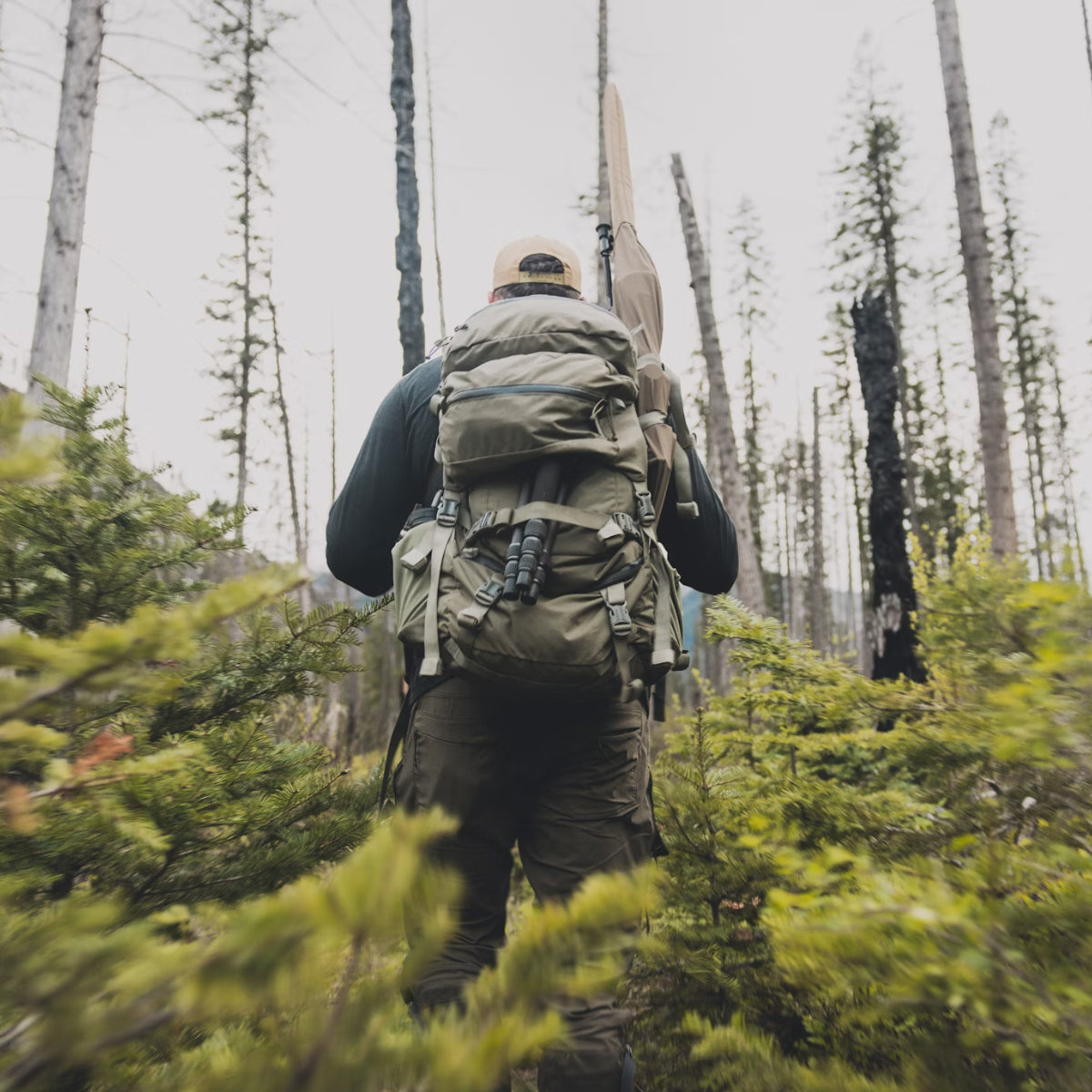
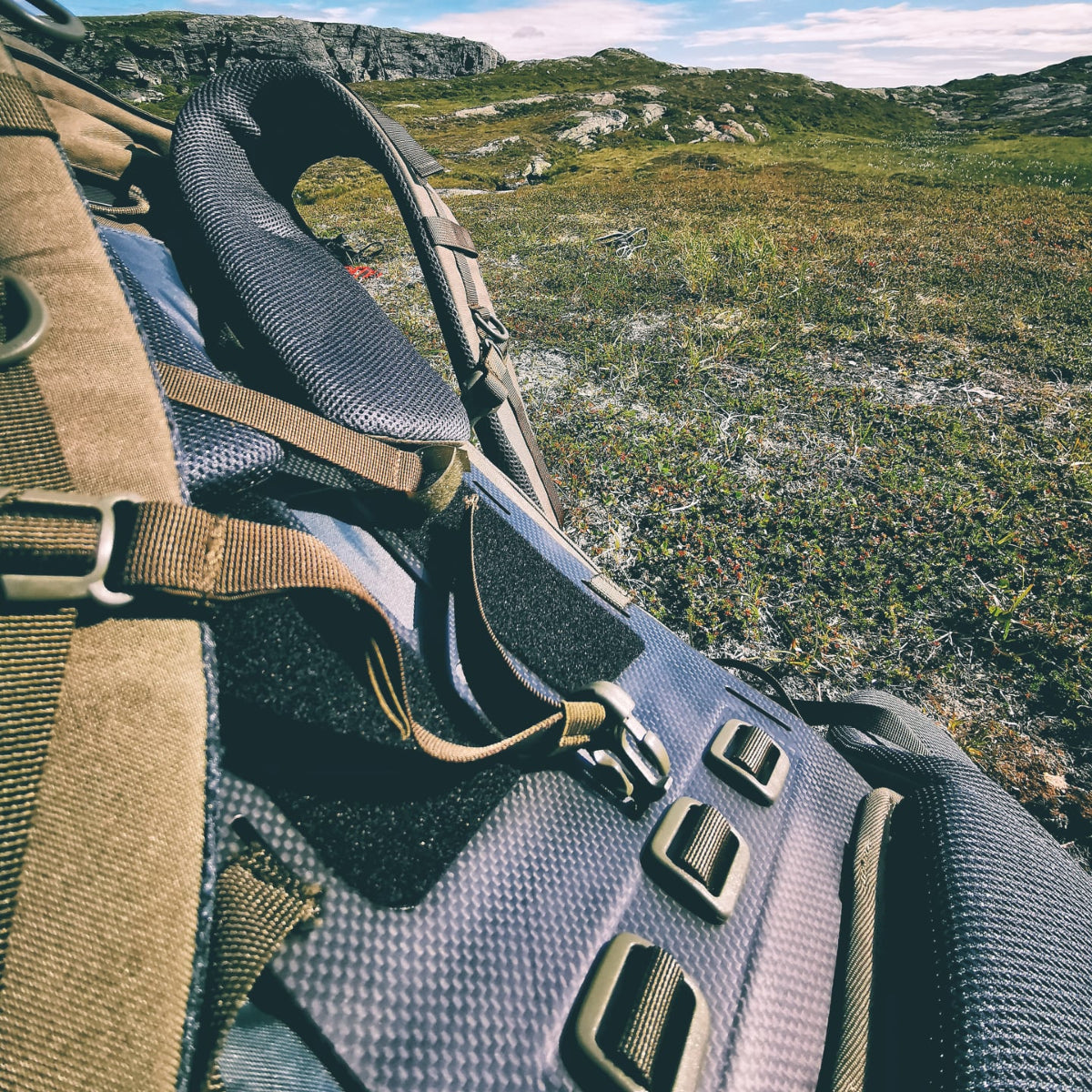
The latest generation of hunting packs integrates carbon fiber frames with ergonomic suspension and modular designs.
-
Extreme strength-to-weight ratio: Carry heavier loads without adding extra weight.
-
Superior load transfer: Shoulder and hip straps engineered for comfort on long treks.
-
Multi-day expedition-ready: Packs can handle 100–150 lbs of gear or meat while staying agile.
The SIATREX APEX 5000 embodies this evolution — a carbon frame, dual-foam shoulder system, and 5000 cu in capacity with a detachable 2300 cu in load sling. It’s a perfect blend of strength, versatility, and ultralight design.
5. Why This Evolution Matters for Hunters
Every step forward in pack design improves comfort, endurance, and hunting success:
-
Move farther with less fatigue.
-
Stay quiet and stealthy in sensitive terrain.
-
Carry more gear and meat safely.
-
Adapt quickly to different hunting scenarios with modularity.
Choosing a modern pack isn’t just a convenience — it’s an essential tool for serious hunters.
Conclusion
From canvas to carbon fiber, hunting packs have evolved to meet the demands of modern backcountry hunters. Today’s ultralight, modular, and ergonomically engineered packs make long hunts safer, quieter, and more efficient than ever before.
With a pack like the SIATREX APEX 5000, you’re not just carrying gear — you’re carrying decades of hunting innovation.

Leave a comment
This site is protected by hCaptcha and the hCaptcha Privacy Policy and Terms of Service apply.